
Bulgaria Adopts Euro As Its Official Currency
Bulgaria joined the EU in 2007 but only met the eurozone’s entry requirements in January 2025, after years of political instability delayed the process.

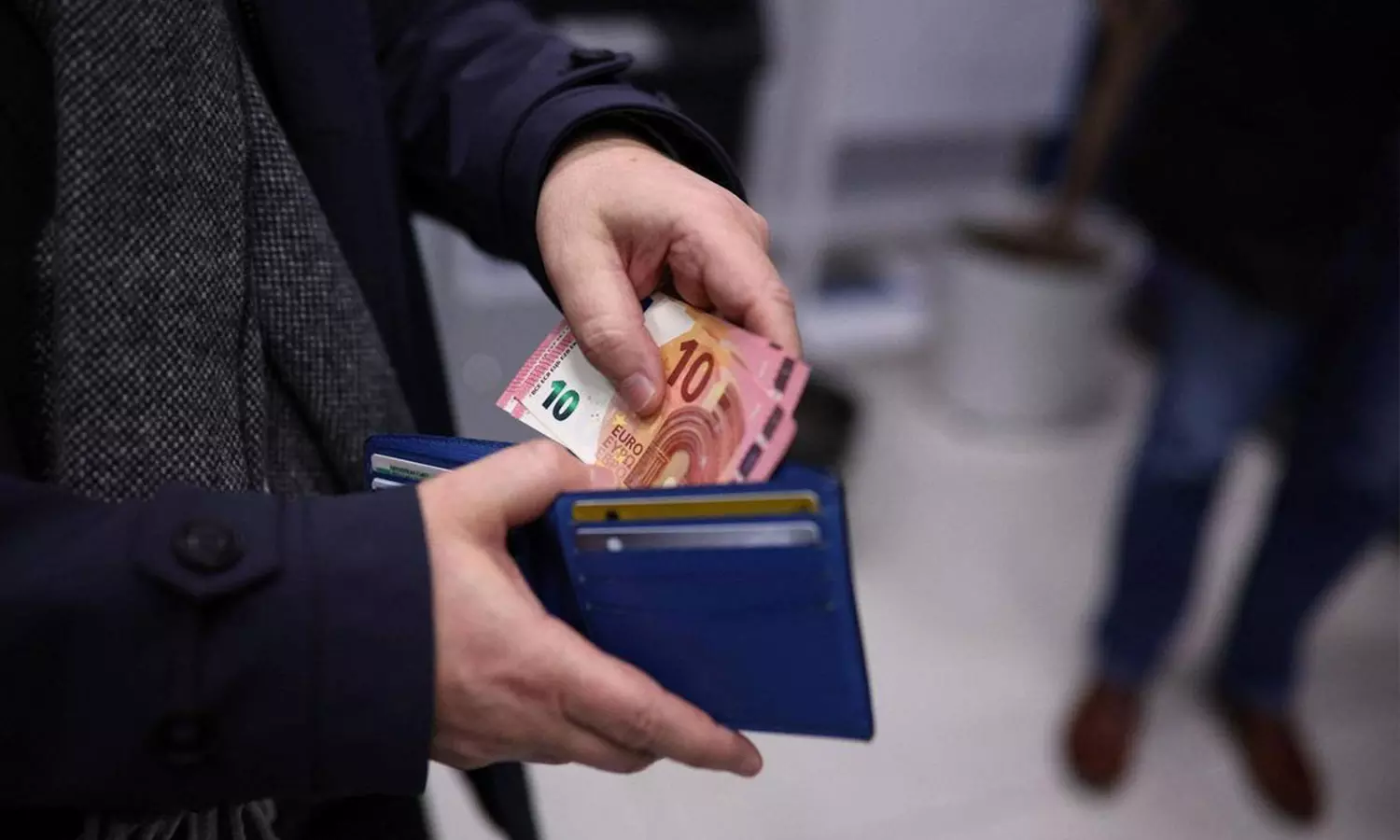
Bulgaria, the European Union’s poorest member state, has switched to the euro, moving ahead of countries such as Poland, the Czech Republic and Hungary. In cities, many young and business-minded Bulgarians see the change as a positive step. But in rural areas, especially among older people, the move away from the lev has triggered anxiety and resentment, with fears that the euro could bring economic trouble. As a result, the transition has become politically sensitive.
Bulgaria joined the EU in 2007 but only met the eurozone’s entry requirements in January 2025, after years of political instability delayed the process. The criteria, set under the Maastricht Treaty, include strict limits on inflation, budget deficits, public debt, exchange rate stability and interest rates. In January 2025, the EU formally confirmed that Bulgaria had met these conditions, clearing the way for euro adoption.
From August 2025, retailers were legally required to display prices in both lev and euro. One euro is fixed at 1.95583 lev, or roughly two lev. To address concerns over price rounding, consumer watchdogs were set up, and prices and bank balances were shown in both currencies ahead of the switch. Bank accounts are being converted automatically. For about a month, people can still pay with lev, though change is given in euros. After that, the old currency will gradually disappear from circulation. Lev can be exchanged for free at banks and post offices until June 30, while the Bulgarian central bank will continue to offer exchanges permanently.
Adjust Story Font
16