
Iran Faces An Unpredictable Future After Death Of Khamenei
What happens next will depend on how events unfold in the coming days.

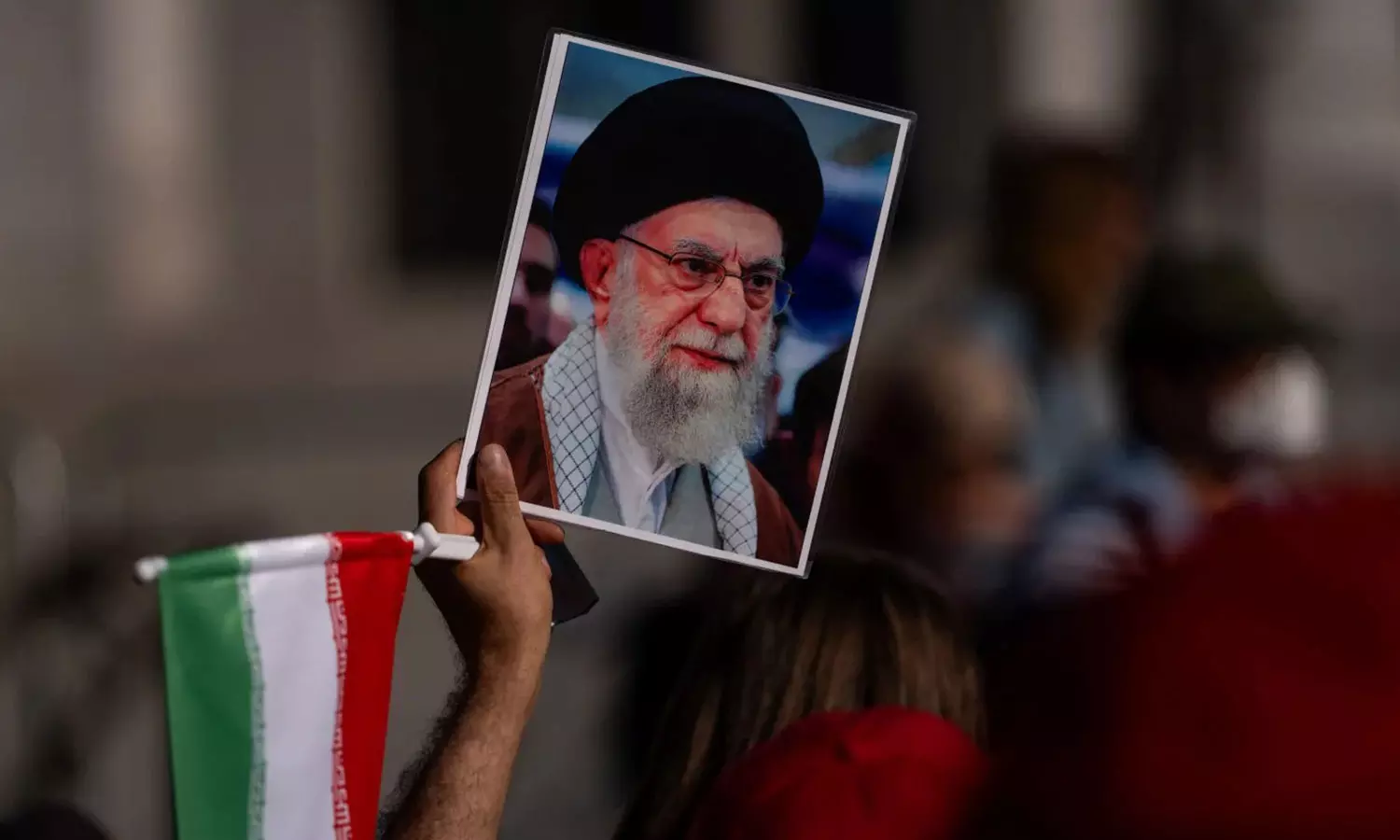
“Who is your worst enemy, Mr President?” 60 Minutes reporter George Negus asked in a rare 1982 on-camera interview when he sat down face-to-face with Ayatollah Ali Khamenei, who was then Iran’s president. Khamenei replied: America — the same country that, years later, would kill him in a joint strike with Israel. Iran’s Supreme Leader, 86-year-old Ayatollah Ali Khamenei, died on the first day of massive air attacks launched by the United States and Israel. His death, particularly in such violent circumstances, has pushed Iran and the wider region into a period of deep uncertainty.
Only two leaders have held Iran’s highest office since the 1979 Islamic Revolution. The Supreme Leader wields ultimate authority as head of state and commander-in-chief, overseeing the military, including the Revolutionary Guards. Khamenei, who had the final say in all major state matters for more than three decades, assumed leadership in 1989 after the death of Ayatollah Ruhollah Khomeini. At the time, Iran was emerging from an eight-year war with Iraq that killed more than a million people and left the economy severely damaged. He prioritised strengthening Iran’s military and paramilitary forces, turning them into the backbone of national security and a key instrument of regional influence.
A central pillar of his rule was the Islamic Revolutionary Guard Corps, established in 1979 after the revolution. Over the years, the force expanded far beyond its original mandate, developing its own ground, naval and air units, as well as intelligence networks and affiliated groups operating abroad.
Khamenei urged greater self-reliance as Western sanctions tightened, maintaining a cautious and often confrontational stance toward Western powers. Critics argued that his heavy focus on defence slowed domestic progress, but he rejected those claims and stayed the course.
His grip on power faced repeated challenges. In 2009, mass protests erupted over a disputed presidential election, and authorities responded with a sweeping crackdown. Fresh unrest broke out in 2022, centred on women’s rights. The most intense pressure came in January, when anger over economic hardship sparked nationwide protests. What began as demonstrations over rising costs quickly broadened into calls to end the Islamic Republic. The subsequent crackdown was among the bloodiest the country had seen since 1979.
Iran’s nuclear and missile programmes advanced during his tenure. He agreed to curb the nuclear programme only after Iran had developed the technical capacity to resume it if necessary. His uncompromising stance brought heavy sanctions and deepening international isolation, placing sustained strain on the economy and daily life.
Analysts say Iran is unlikely to retreat quietly. The country maintains a formidable military and has long prepared for potential confrontation. While many Iranians opposed Khamenei’s rule, that does not necessarily translate into support for foreign intervention. With a strong sense of history and sovereignty, many reject outside interference in domestic affairs.
What happens next will depend on how events unfold in the coming days. The immediate question is whether the government can maintain stability after Khamenei’s death — managing external pressure while containing internal dissent. The answer remains uncertain.
Adjust Story Font
16