
Iran’s FIFA World Cup Participation Uncertain Amid Rising Tensions
According to the rules, in case of a team's withdrawal or exclusion, FIFA may decide to replace the participating member with another.

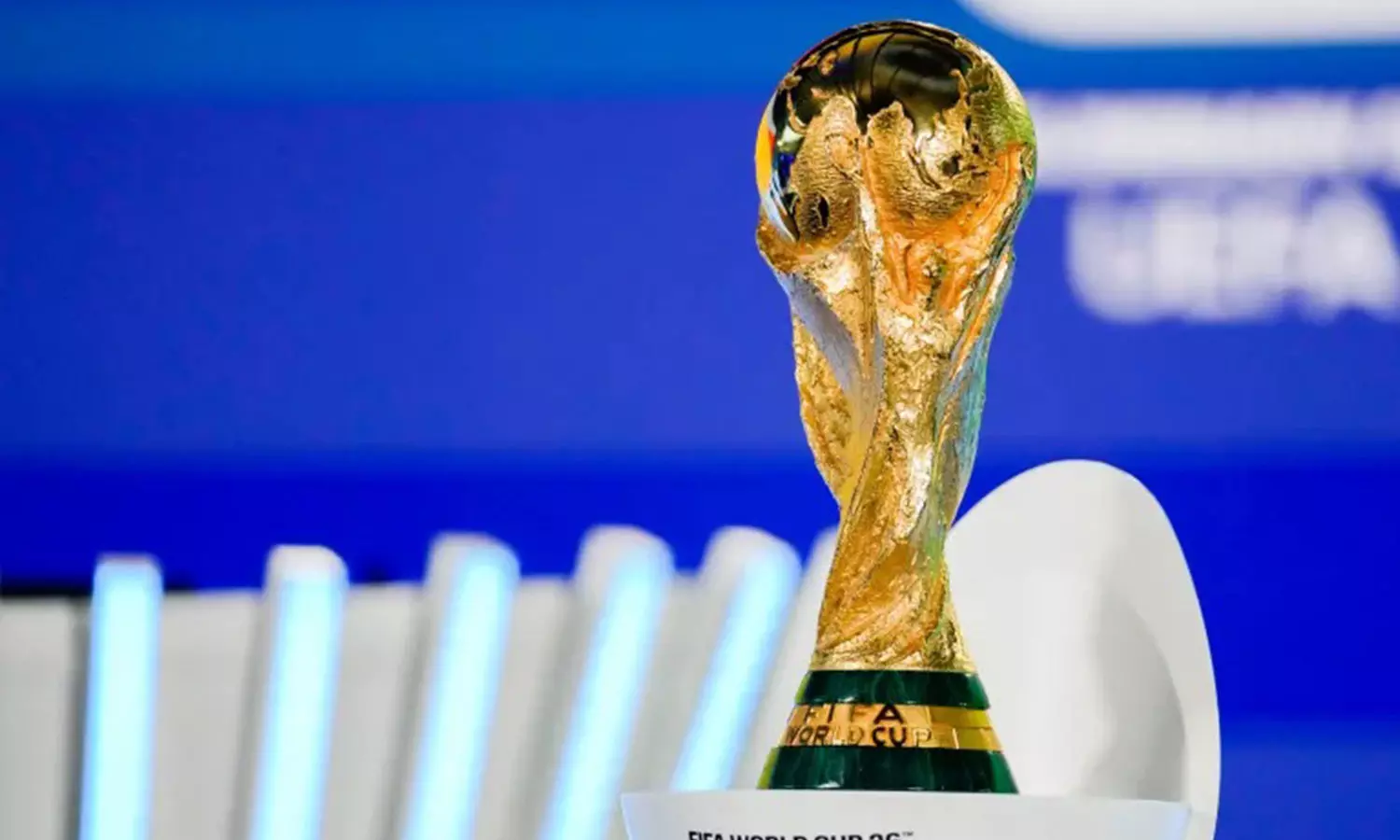
Last December, FIFA announced its first-ever Peace Prize at the 2026 World Cup draw ceremony. And guess who won it? It was US President Donald Trump.
Months later, the same US has taken military action in Venezuela, Nigeria, and now Iran and has hinted at possible further operations in Greenland, Mexico, and Colombia. Interestingly, it is the main World Cup host attacking a fellow co-host and other participants in the tournament.
Let’s focus on the current issue. This new stage of conflict is very much existential and also unlikely to end quickly. What does this mean for Iran in the upcoming World Cup?
According to Mehdi Taj, the president of Iran's soccer confederation, it is unlikely that they can look forward to the World Cup given what has happened. He added that senior Iranian sports officials would evaluate the situation before deciding if any action should be taken. There could also be calls by Gulf states for Iran to be punished for its retaliatory attacks on their territory. FIFA has said that it is monitoring developments but, at this stage, officials are privately saying they expect Iran to be at the World Cup.
Let’s have a look at the possible outcomes. According to the rules, in case of a team's withdrawal or exclusion, FIFA may decide to replace the participating member with another. This means Iran could be replaced with an alternative team from the Asian Football Confederation (AFC). Iraq, who could qualify anyway via a continental play-off, or the UAE would be favourites to step in.
If Iran plays, numerous concerns arise. They have three matches scheduled in the US — two in Los Angeles and one in Seattle. Moreover, Iran was among the 12 countries included in the US President’s travel ban imposed in June. Though this wouldn't apply to athletes and sports personnel, it would certainly affect fan participation. Moreover, most questions go to the host over security concerns.
"We'll deal with soccer games tomorrow — tonight, we celebrate their opportunity for freedom." This is how Andrew Giuliani, the Executive Director of the White House Task Force for the World Cup, responded in a social media post at the weekend.
However, earlier in January, a group of cross-party MPs called on FIFA to consider expelling the United States itself from the World Cup until the country demonstrates "clear compliance with international law and respect for the sovereignty of other nations." This was in light of the US capturing Venezuelan leader Maduro. The same month, the German Football Association also considered a boycott of the coming World Cup in the wake of Trump's actions, but later turned it down. Similar developments could now be repeated in the current scenario.
Adjust Story Font
16