
Surging Bear Attacks Force Japan To Deploy Military
According to the government, Japan has a bear population exceeding 54,000.

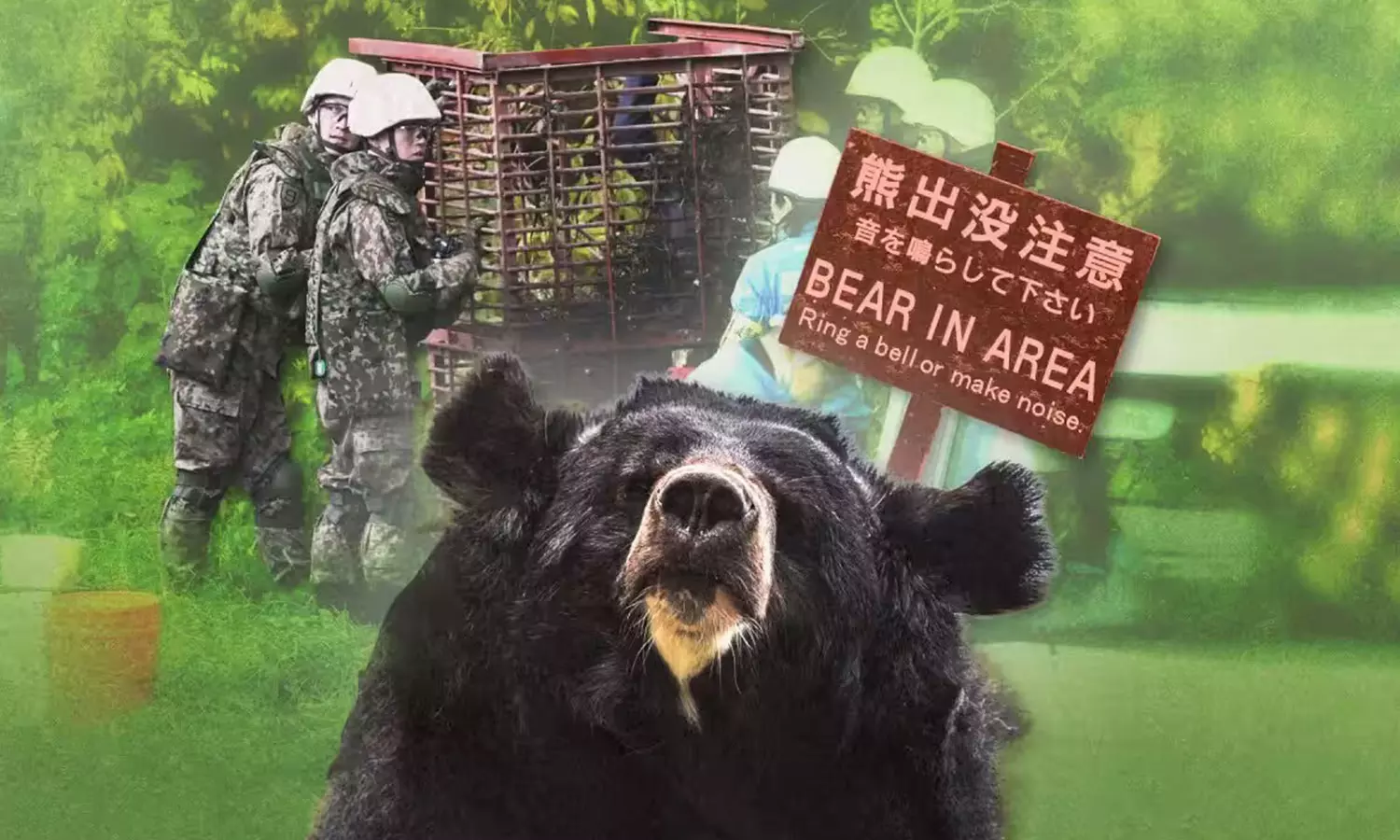
A few days ago, Japan’s military was sent into certain regions to handle an unusual situation—not to confront humans, but to manage bears wandering into populated areas. Japan is facing a frightening surge in bear attacks. Since April, more than 100 people have been injured and at least 13 killed in these attacks. Japan’s Environment Ministry says this year’s death toll is the highest ever recorded since tracking began in 2006.
Hokkaido, the northern island famous for volcanoes, is home to massive brown bears that can weigh over 450 kilograms. The country also hosts smaller Asiatic black bears, called moon bears, weighing between 80 and 200 kilograms. This year, both brown and Asiatic bears have been at the centre of dangerous encounters with humans. While attacks by Asiatic black bears happen more often, it’s the brown bears that pose the deadlier threat. Experts note that brown bears, being much bigger and stronger, are far more likely to cause severe injuries or even death when they attack.
Japan’s public broadcaster NHK says the northern prefectures have taken the hardest hit, with those regions seeing the most frequent and serious bear encounters this year. Akita prefecture has seen a dramatic rise in bear activity this year, with sightings up sixfold. Most of the incidents involve Asiatic black bears and have occurred in neighbourhoods, resulting in over 50 people being attacked since May. Bear attacks have also reached central Japan. In a shocking incident last month, a bear broke into a supermarket in Numata City, injuring shoppers and sparking chaos.
“Watch out for bears.” That’s the warning from the US Embassy to Americans in Japan, following the unprecedented surge in bear attacks across the country. The United Kingdom has also warned its citizens living in or visiting Japan to stay alert. Shota Mochizuki, an associate professor at Fukushima University, told Al Jazeera that the recent rise in bear encounters is linked to food scarcity in the mountains. With acorns and beechnuts in short supply this year, bears have been venturing closer to human settlements in search of food. According to the government, Japan has a bear population exceeding 54,000.
As the situation grew difficult for local authorities, Japan sent in military and riot police to take control. While riot police can use firearms against the bears, military forces aren’t permitted to shoot and must work together with licensed hunters instead. The military is supporting local communities by installing bear traps and taking away the bears hunted by private hunters. Meanwhile, people living in the areas at risk have started using drones and AI-based monitoring systems to keep track of bears and get early warnings of their presence.
Adjust Story Font
16