
What To Know About Bangladesh's Upcoming Election
Nearly 2,000 candidates are in the race for 300 parliamentary seats

Sheikh Hasina, Bangladesh’s former prime minister and leader of the country’s most influential political party, is currently in India at a time when Bangladesh is preparing for what many see as its first genuinely free and fair election in 17 years. So, what exactly is unfolding in Bangladesh? Let’s take a closer look.
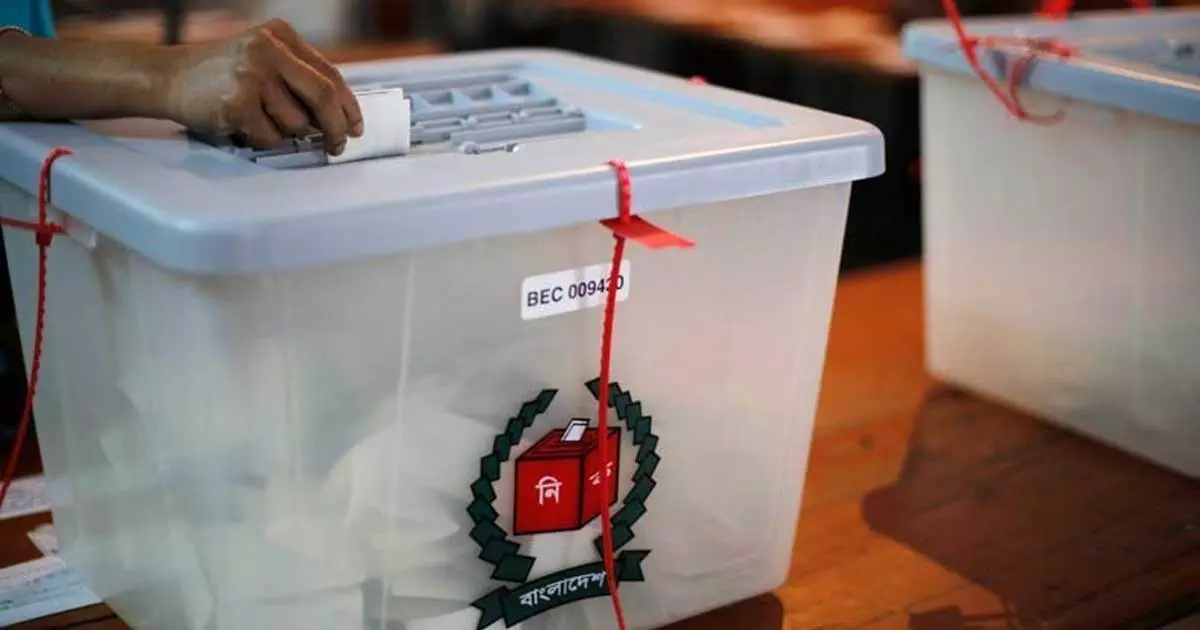
Bangladesh is scheduled to go to the polls on February 12, marking its first general election since a student-led uprising forced longtime Prime Minister Sheikh Hasina out of office in August 2024. Nearly 2,000 candidates are in the race for 300 parliamentary seats. Major parties are fielding candidates across much of the country: the Bangladesh National Party (BNP) is contesting 288 seats, Jamaat-e-Islami 224, and the National Citizens Party (NCP) 32.
The Awami League, however, is not in the contest. The Election Commission suspended the party’s registration, effectively barring it from running. From New Delhi, Sheikh Hasina has reportedly insisted that the Awami League remains Bangladesh’s legitimate government. She has criticised Chief Adviser Muhammad Yunus and dismissed the February polls as a “sham,” comments that have drawn strong reactions from the interim government in Dhaka.
With political tensions simmering, how is the country gearing up for the vote? Why does this election matter so much, and what does Bangladesh’s transition look like at this critical moment?
The backdrop is turbulent. The Awami League won the disputed 2024 elections amid low voter turnout and widespread international criticism. Opposition calls for restoring a caretaker government were rejected. Soon after, anger over reservations, corruption and rising inflation sparked a Gen Z–led movement that escalated into a mass non-cooperation campaign in July 2024. Weeks of deadly protests followed, forcing Sheikh Hasina to resign and flee the country in August. Parliament was dissolved, and the interim government led by Muhammad Yunus went on to ban the Awami League and all its activities.
Now, an election promised to be free and fair—after years of political repression—is widely seen as one of the most consequential in Bangladesh’s history. Restoring democracy and pushing political reform dominate the election debate. Economic pressures also weigh heavily on voters, with parties pledging jobs, action against corruption, and relief from unemployment and inflation. The BNP has promised cash assistance for poor families, while Jamaat has focused on curbing extortion and improving security.
Voters will elect a 300-member parliament in what is being described as Bangladesh’s biggest democratic exercise of 2026. For the first time, overseas Bangladeshis will be able to vote by postal ballot, though concerns over transparency remain. Votes will be counted as soon as polling ends, with early results expected the same night and final outcomes confirmed after recounts and objections.
Alongside the parliamentary polls, Bangladesh will also hold a referendum on the July National Charter, sparking intense public debate. Voters will cast a separate ‘Yes’ or ‘No’ ballot. A ‘Yes’ would make the Charter binding, obligating the next parliament to implement 84 reform proposals, including significant constitutional changes. A ‘No’ would scrap the Charter altogether, leaving reforms to the discretion of whichever party secures a majority. As Bangladesh heads into this pivotal moment, the world is watching closely.
Adjust Story Font
16