
EU Eases 2035 Ban On Petrol And Diesel Cars
The proposal still requires approval from EU governments and the European Parliament.

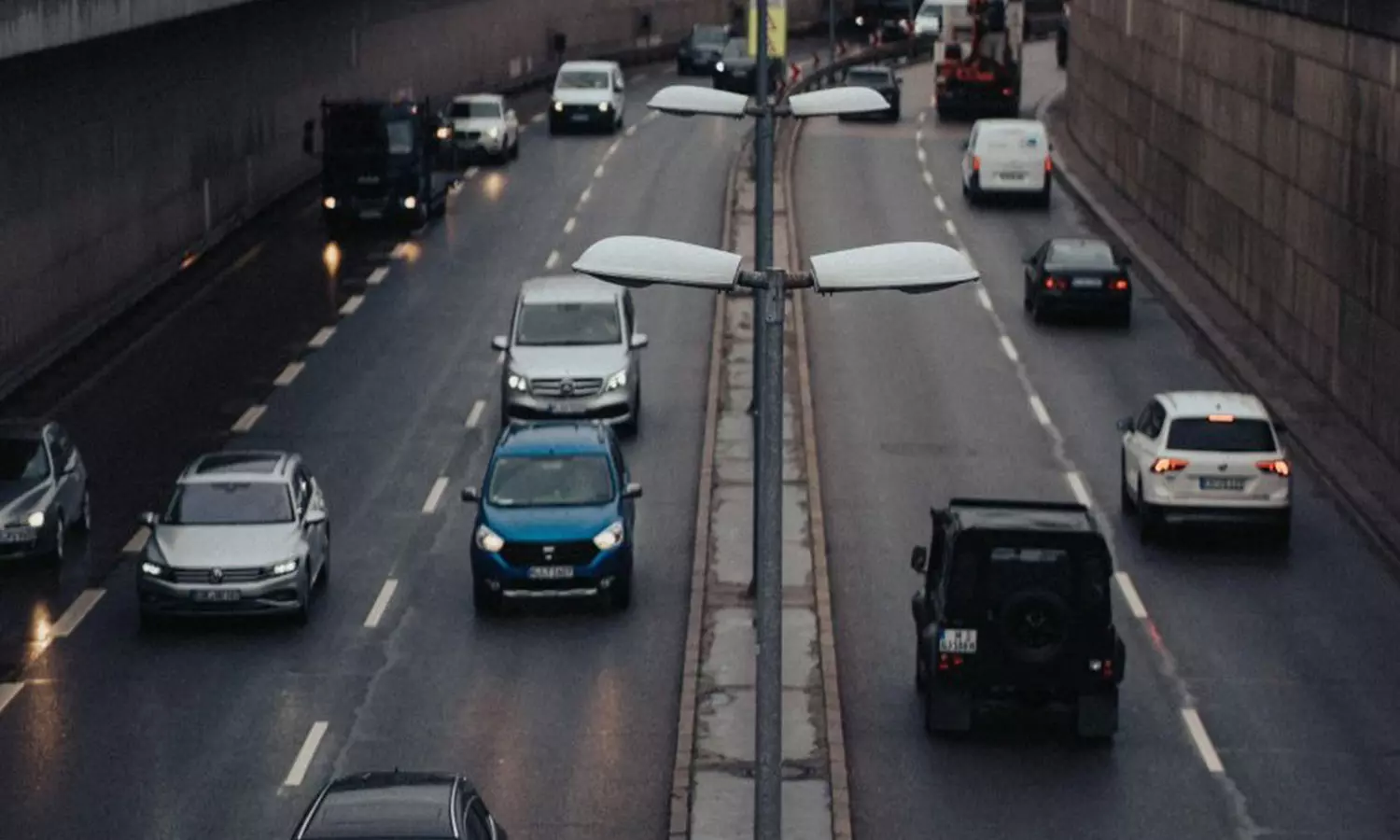
The European Commission has softened its plans to ban the sale of new petrol and diesel cars by 2035. Under the revised proposal, 90% of new cars sold from 2035 must be zero-emission, while the remaining 10% could still include petrol, diesel, or hybrid vehicles.
The change comes after pressure from the auto industry and senior officials in several EU countries, particularly Germany and Italy, home to major car manufacturers. A full ban on combustion-engine vehicles faced practical challenges: electric cars remain more expensive than traditional vehicles, China dominates the EV market with cheaper alternatives, and a complete switch risks significant job losses in Europe’s car industry.
The proposal still requires approval from EU governments and the European Parliament. Critics have called it a setback for Europe’s push toward electric mobility. Martin Kaiser, executive director of Greenpeace Germany, described it as “an early Christmas present for Chinese electric car manufacturers.”
At the same time, the Commission announced incentives to boost small electric vehicles. Carmakers producing these cars will receive “super credits” through 2035, adding extra carbon credits linked to their production. The EU consumer body BEUC welcomed measures aimed at increasing the availability of smaller, affordable EVs.
Adjust Story Font
16