
From Battlefield To Grocery Store: The Iran War’s Impact On Americans
The jump in fuel costs is already being felt across the US

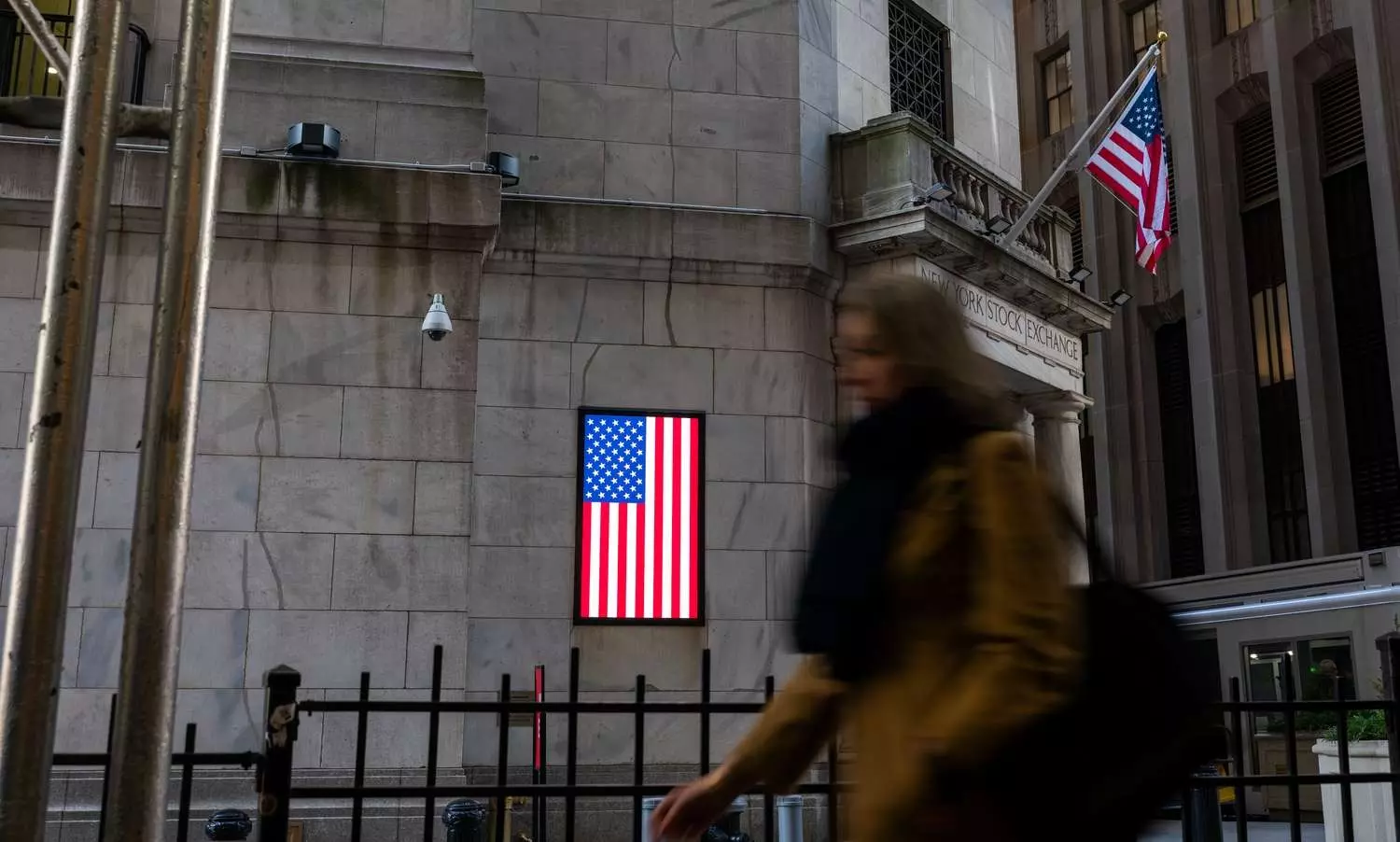
"We won – in the first hour it was over.” Donald Trump said this week, claiming the fight with Iran had been decided almost as soon as it began. The situation looks far less clear-cut than it’s being presented. Less than two weeks after the US and Israel struck Iran, the consequences are already spreading well beyond the battlefield. In the United States, gas prices are climbing, food could soon become more expensive, and the shaky stock market is making many people uneasy about their retirement savings.
At first, Donald Trump confidently said the war would be over in “four to five weeks". Now, his message seems far less certain, with hints that the conflict could stretch on much longer. Economists warn that if the fighting drags out, the impact could slowly reach American households. People may cut back on spending, and businesses could slow hiring or even start laying off workers.
The jump in fuel costs is already being felt across the US. Diesel, which powers most trucks, has climbed about 24 percent since the fighting with Iran began. That could soon push up the price of everyday things that travel by road — from food on grocery shelves to packages ordered from Amazon. Gasoline prices are rising too. The national average has now reached about $3.48 a gallon, the highest level since 2024.
Farmers across the United States are heading into the spring planting season with growing uncertainty. In a letter to Donald Trump, an agriculture official warned that fertiliser supplies could soon tighten and prices may climb. A large share of the world’s fertiliser comes from the Persian Gulf, and shipments depend on vessels moving through the Strait of Hormuz. If that route remains disrupted in the coming weeks, fewer supplies may reach global markets. For farmers, that could mean using less fertiliser or struggling to find it at all. And when American farms produce less, the result is usually simple: smaller harvests and higher food prices.
Air travel in the United States could also soon get more expensive. The cost of jet fuel — a major expense for airlines — has jumped nearly 58 percent since the war began. Travel demand is still strong, but if fuel prices keep rising, airlines will likely raise ticket prices. That could push some Americans to rethink their trips.
US officials say American and Israeli strikes have severely weakened Iran’s air defenses, navy and missile forces. Yet the leadership in Tehran is still holding on, and it has managed to disrupt shipping through the Strait of Hormuz. What Donald Trump once dismissed as a “little excursion” is now dragging on, and Iran has shown it can still cause economic fallout that reaches the United States.
Adjust Story Font
16