
India Set To Roll Out Verified Caller ID System
It’s a step ahead of the existing Calling Line Identification setup, which limits you to seeing only the caller’s number.

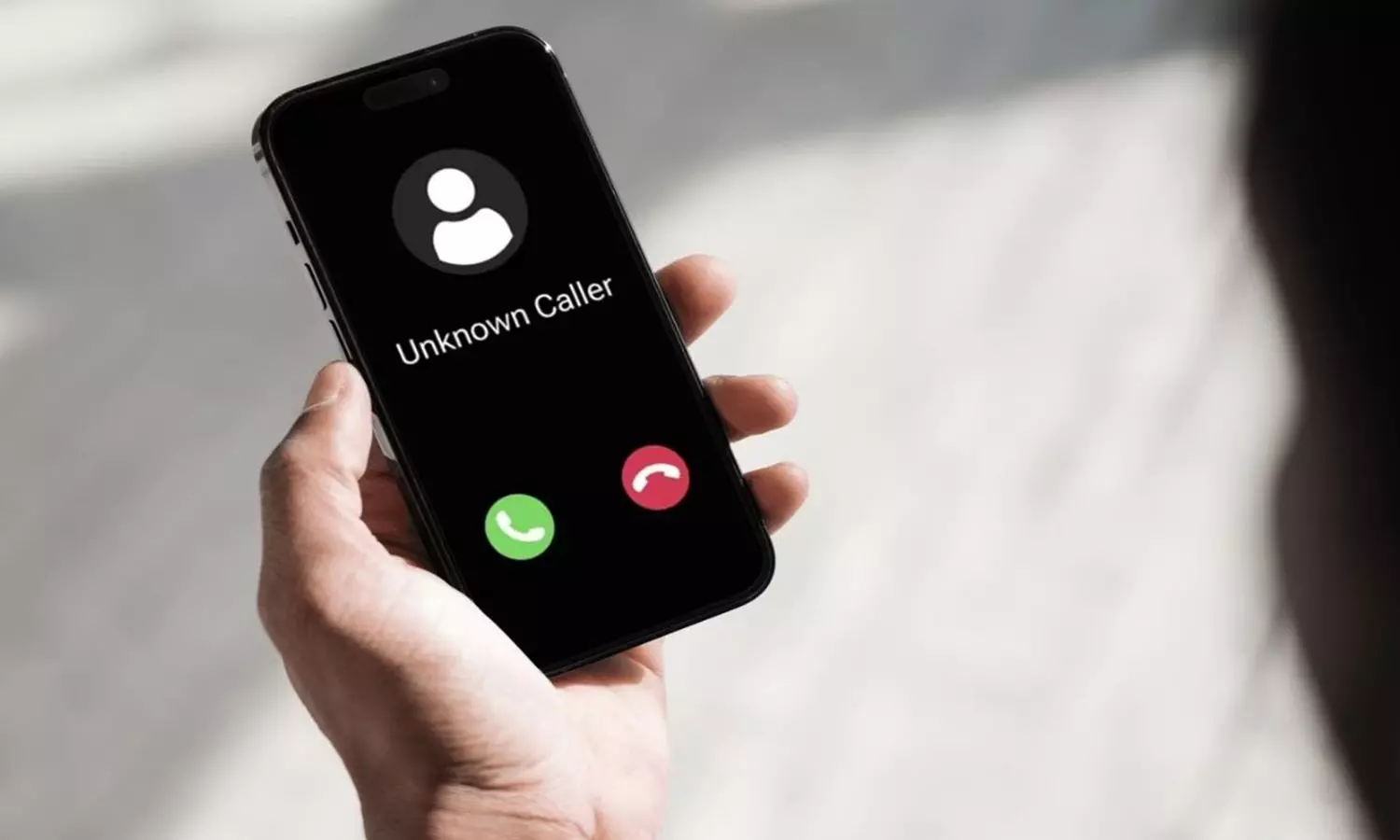
Imagine your phone showing you who's calling even without Truecaller or the internet. That’s what India’s new caller ID system aims to do. Soon, your screen will automatically display the name linked to the caller’s mobile number as the call comes in. The initiative, called Calling Name Presentation or CNAP, has been cleared by the Telecom Regulatory Authority of India and is being built by the Department of Telecommunications. It’s designed to pull the caller’s verified identity straight from official telecom records. So instead of random numbers flashing on your screen, you’ll instantly see the real name tied to that number the moment your phone starts ringing—no apps or extra steps needed. When CNAP is fully in place, it could stand among the largest verified caller ID systems anywhere in the world.
It’s a step ahead of the existing Calling Line Identification setup, which limits you to seeing only the caller’s number. What makes CNAP different is where that information comes from. Unlike Truecaller, which depends on what users upload and can often show the wrong name, CNAP taps directly into verified telecom data, the same details you provide when you buy a SIM card. That means the name you see isn’t a guess or a nickname but the one officially linked to that number. This service is expected to serve as a quiet shield against spam, giving you a clear idea whether the caller is a business or an individual before you even say hello.
Back in 2022, the plan was to let people choose whether they wanted to use CNAP or not. But things seem to have shifted since then. TRAI now reportedly appears to be leaning toward rolling it out for all mobile users by default. For those who’d prefer not to have their name shown, there’s an easy way out. They can reach out to their telecom provider and request to have the feature disabled.
Reports suggest that telecom providers have begun trial runs of the feature in limited areas, with a nationwide rollout expected by March 2026. Setting up CNAP on a national scale could take some work behind the scenes. Telecom operators may need to upgrade their networks and coordinate more closely to share caller data safely and consistently. But there’s a limitation; at least for now, only 4G and 5G users will get access. Those still on 2G connections may have to wait before the feature reaches their devices.
Adjust Story Font
16