
Mexico Faces Security Concerns Ahead Of FIFA World Cup
Mexico’s role as a co-host has come under the spotlight after a recent outbreak of cartel violence.

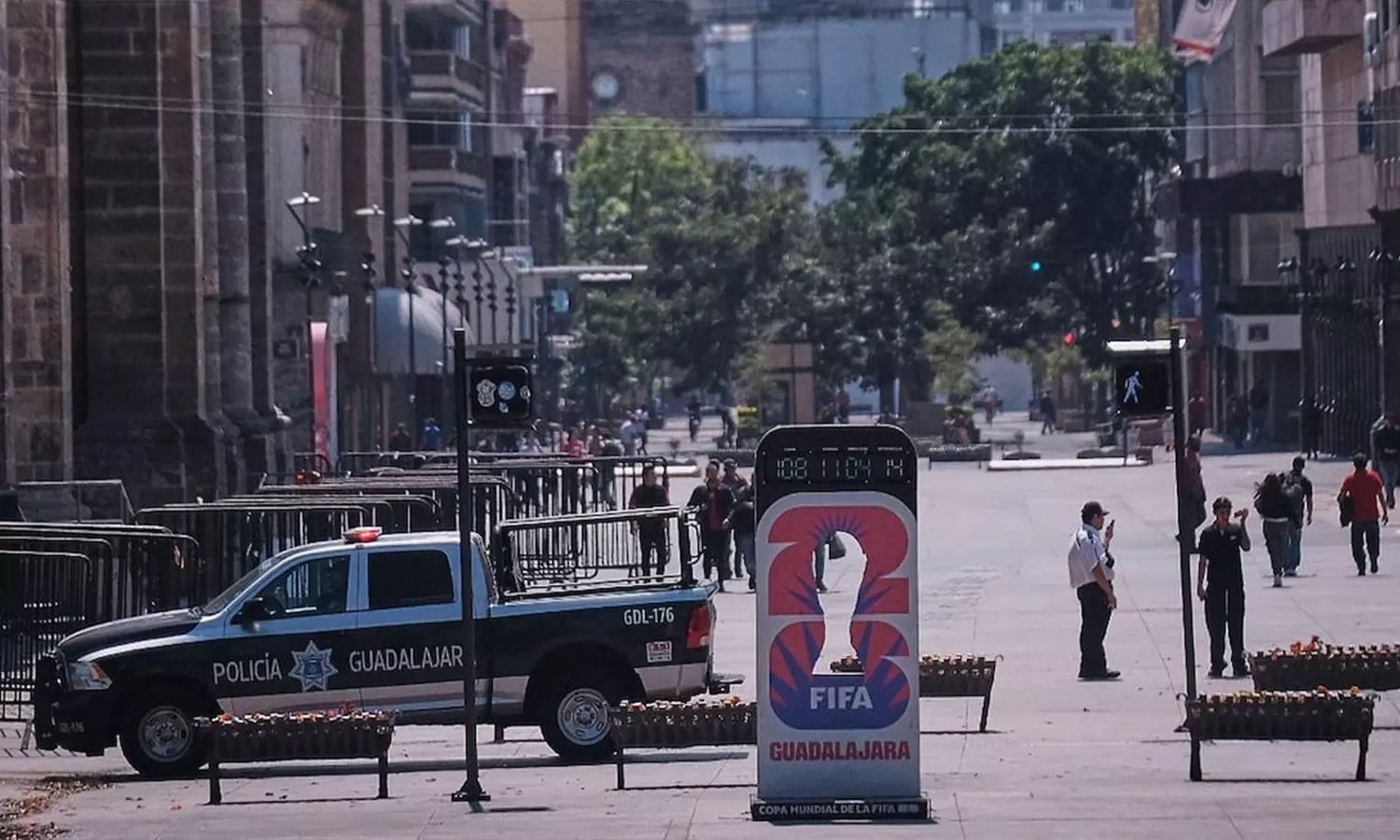
The 2026 FIFA World Cup is just four months away, and fans around the world are eagerly waiting to see their favourite teams chase glory on the pitch. The tournament, jointly hosted by the United States, Canada, and Mexico, promises the ultimate clash of waving flags. But the big question is, are all hosts ready to stage it safely?
Mexico’s role as a co-host has come under the spotlight after a recent outbreak of cartel violence. The unrest is linked to the Jalisco New Generation Cartel, or CJNG, one of the country’s most powerful and feared criminal groups. It followed a military operation in Tapalpa, Jalisco, where cartel leader Nemesio Oseguera Cervantes, known as “El Mencho,” was taken into custody by the Mexican Army and later died from injuries sustained in a firefight.
In response, the cartel hit the streets, blocking nearly 100 major roads and attacking National Guard bases, especially in Jalisco and Michoacán. At least 25 soldiers and 34 cartel members were killed.
Guadalajara, the capital of Jalisco, is set to host four World Cup matches, while Mexico City will host five, and Monterrey four. Experts warn that the power struggle triggered by El Mencho’s death could lead to further instability as rivals compete for control.
An expert from the University of Nottingham explained that cartels have a financial interest in keeping the World Cup peaceful. They bribe officials, own businesses, and are deeply embedded in the local economy. So it’s in their interest for foreign visitors, including British and American fans, to come to Mexico and spend money.
The CJNG, estimated to be worth over £10 billion and with tens of thousands of members, has a history of massacres, kidnappings, and political killings. Yet some figures maintain local support by funding community projects. Tourist risk remains moderate if official advice is followed. Still, security concerns have escalated in Jalisco, prompting the United States to advise Americans to stay indoors, and Canada even cancelled flights to Puerto Vallarta.
The violence has put a spotlight on World Cup security planning. Four Mexican league matches in Guadalajara were postponed due to unrest, and experts warn that the cartel’s military-grade weapons could spark further clashes, threatening Mexico’s global image and tourism. Political pressure has also increased, especially after US President Donald Trump labelled cartels as terrorist organisations and Mexico extradited several cartel figures.
Despite this, Mexico’s President Claudia Sheinbaum has reassured visitors that there is “no risk" and that the situation in Jalisco is stabilising. Jalisco Governor Pablo Lemus confirmed that FIFA has no plans to remove any venues, and all three Mexican venues remain secure. FIFA is continuing to monitor the situation closely.
As the countdown to the World Cup continues, the world will be watching how Mexico manages to ensure a safe, peaceful, and exciting tournament.
Adjust Story Font
16