
Nepal Heads To Polls On March 5
The Election Commission has promised results for the 165 directly elected seats within 24 hours of ballot boxes being collected.

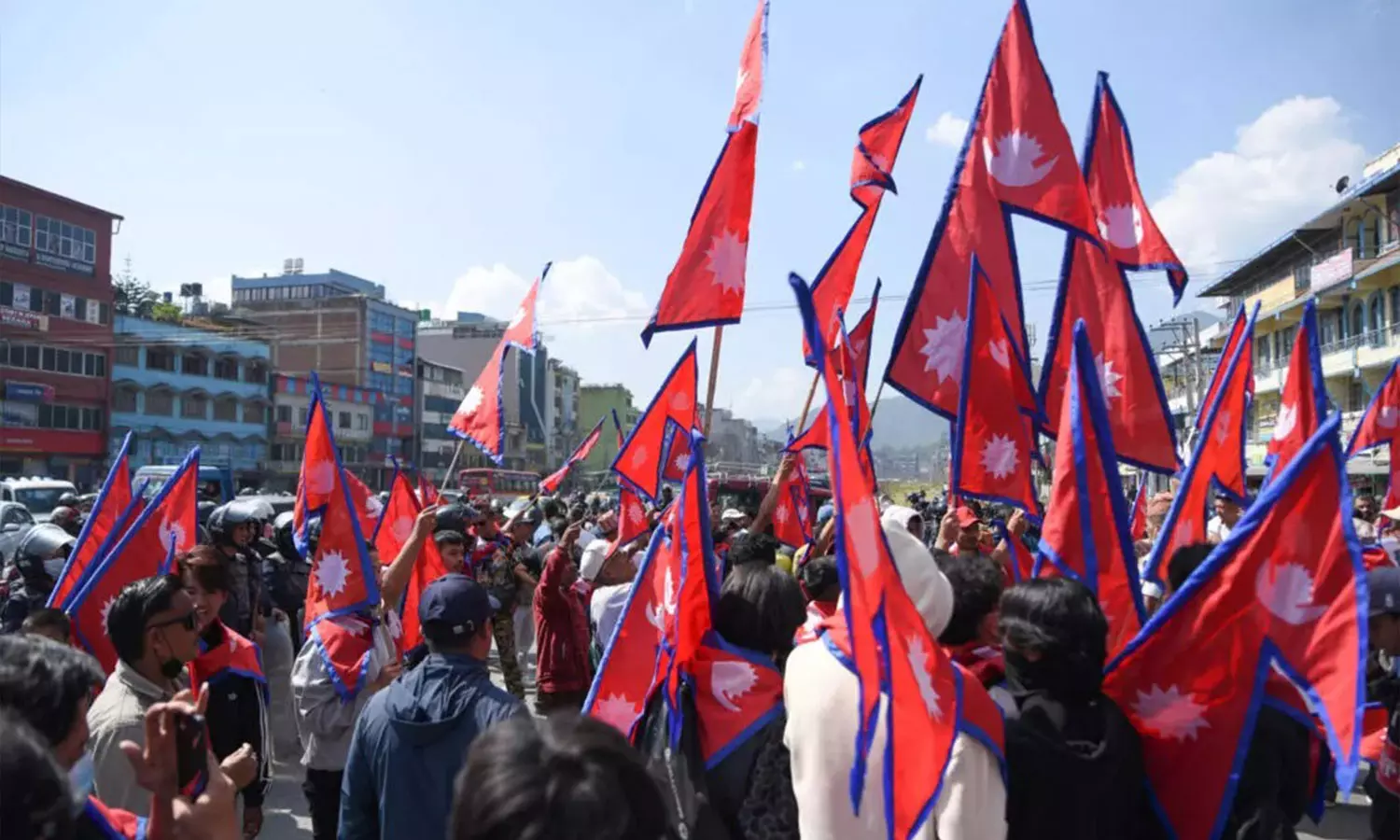
Nepal is a heaven for travellers. They say if you are in your twenties and love to travel, your first choice should be Nepal. But last year, things were not that smooth politically. We saw youth-led protests fuelled by anger against corruption, unemployment, economic stagnation and a social media ban last September.
Now, Nepal is set to go to the polls on March 5 to elect a new government. The election comes six months after an interim government led by former chief justice Sushila Karki was handed power, following the Gen-Z protests that overthrew the earlier government of Prime Minister K. P. Sharma Oli.
About 19 million people will take part in the ballot for Nepal’s House of Representatives, the lower of the country’s two houses of parliament. With 800,000 first-time voters and more than 1,000 candidates under the age of 40, a significant portion of both voters and contenders represents the youth. They will elect 275 members of Parliament through a mix of ‘First Past the Post’ voting and ‘Proportional Representation’.
Nepal has a mixed electoral system. The first system, known as ‘First Past the Post’ (FPTP), is simple: whoever wins the most votes wins the seat. The second, known as Proportional Representation (PR), allocates seats to political parties based on the proportion of votes they receive. Simply put, if a party wins one-third of the votes, it should get about one-third of the seats in Parliament. Out of the 275 seats, 165 will be filled through the FPTP system, while the remaining 110 will be allocated through the PR system.
Several political parties and politicians are being closely watched ahead of the March elections. Former rapper Balen Shah, representing the Rastriya Swatantra Party, is challenging former Prime Minister K. P. Sharma Oli in Jhapa 5. The Nepali Congress, led by Gagan Thapa, is a key contender, alongside Oli’s Communist Party of Nepal (UML) and the Nepali Communist Party led by Prachanda.
It is clear that the coming government will have to address issues such as better governance, fighting corruption and reducing unemployment in its manifesto — the same issues that led to the toppling of the previous government. For instance, the Nepali Congress has proposed holding a high-level investigation into the assets of public officeholders since 1990.
The Election Commission has promised results for the 165 directly elected seats within 24 hours of ballot boxes being collected. Acting Chief Election Commissioner Ram Prasad Bhandari told local reporters that the results of the remaining 110 seats under the PR system would take a couple of more days.
However, Nepal is also at the centre of geopolitical interests. India is closely monitoring Nepal’s politics due to past tensions with K. P. Sharma Oli over his ties with China. Meanwhile, China hopes that any future government will be supportive of its foreign policies. The United States is also watching closely, seeking a government aligned with its strategic interests.
Adjust Story Font
16