
Sushila Karki Becomes Nepal’s First Female Prime Minister Amid Political Turmoil
Karki’s rise to power is seen by many as a decisive step toward re-establishing public trust in governance.

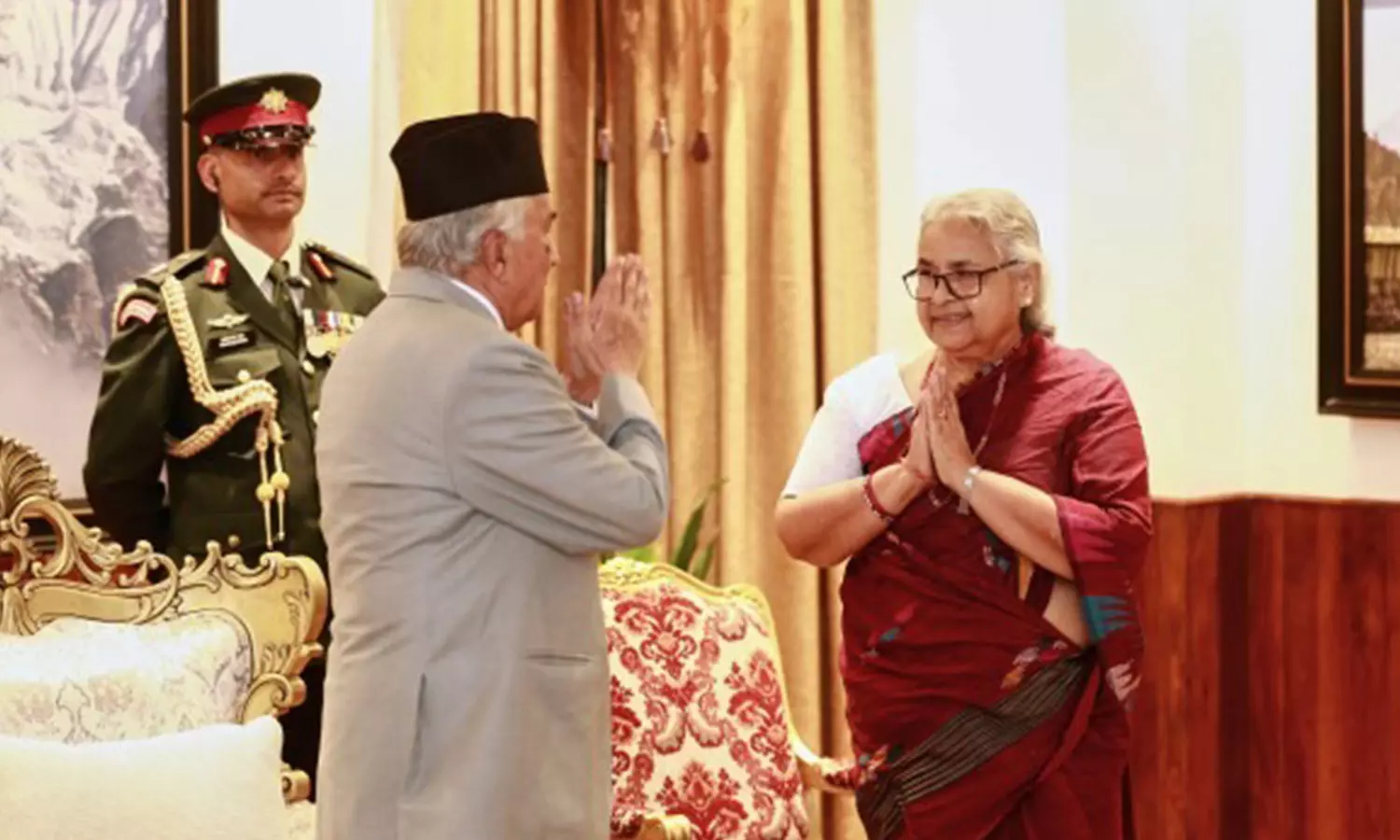
In a historic turn of events, Nepal has appointed Sushila Karki as its interim Prime Minister, making her the country’s first female to hold the position. At 73, Karki brings a reputation for integrity and anti-corruption advocacy, having previously served as Chief Justice of Nepal from 2016 to 2017. Her appointment comes in the wake of a week-long wave of protests that shook the nation and led to the resignation of former Prime Minister KP Sharma Oli.
The protests were primarily driven by younger generations, notably Gen Z activists, who rallied against widespread political corruption, nepotism, and a controversial social media ban imposed by the Oli government. Demonstrations quickly escalated into violent clashes, resulting in significant casualties and damage to property. In response, the military imposed a curfew, taking control of the capital, Kathmandu, to stabilise the volatile situation.
Faced with mounting public pressure and growing unrest, President Ram Chandra Paudel dissolved parliament and administered the oath of office to Karki on September 12. Her role as interim prime minister is intended to be temporary, with primary responsibilities focused on restoring political stability, investigating corruption allegations, and organising fresh parliamentary elections scheduled for March 5, 2026.
Karki’s rise to power is seen by many as a decisive step toward re-establishing public trust in governance. During her tenure as Chief Justice, she gained prominence for her firm stance against corruption and her efforts to uphold judicial independence in the face of political interference. These credentials make her appointment particularly significant at a time when the country is grappling with systemic governance failures.
Observers view Karki’s leadership as pivotal in setting the stage for much-needed electoral reforms. Her government is expected to prioritise transparency and fairness in the upcoming elections, aimed at breaking the long-standing cycle of political instability in Nepal. The international community has welcomed her appointment, noting it as a sign of progress toward gender inclusivity in political leadership.
While her interim government faces immediate challenges—including calming political tensions, rebuilding public confidence, and managing the transition to a democratically elected government—Karki's leadership is widely regarded as a necessary course correction.
Adjust Story Font
16