
What To Know About The Two-Week Ceasefire Between US And Iran
Iran’s Supreme National Security Council presented the agreement as a win, suggesting that Washington had ultimately gone along with its terms.

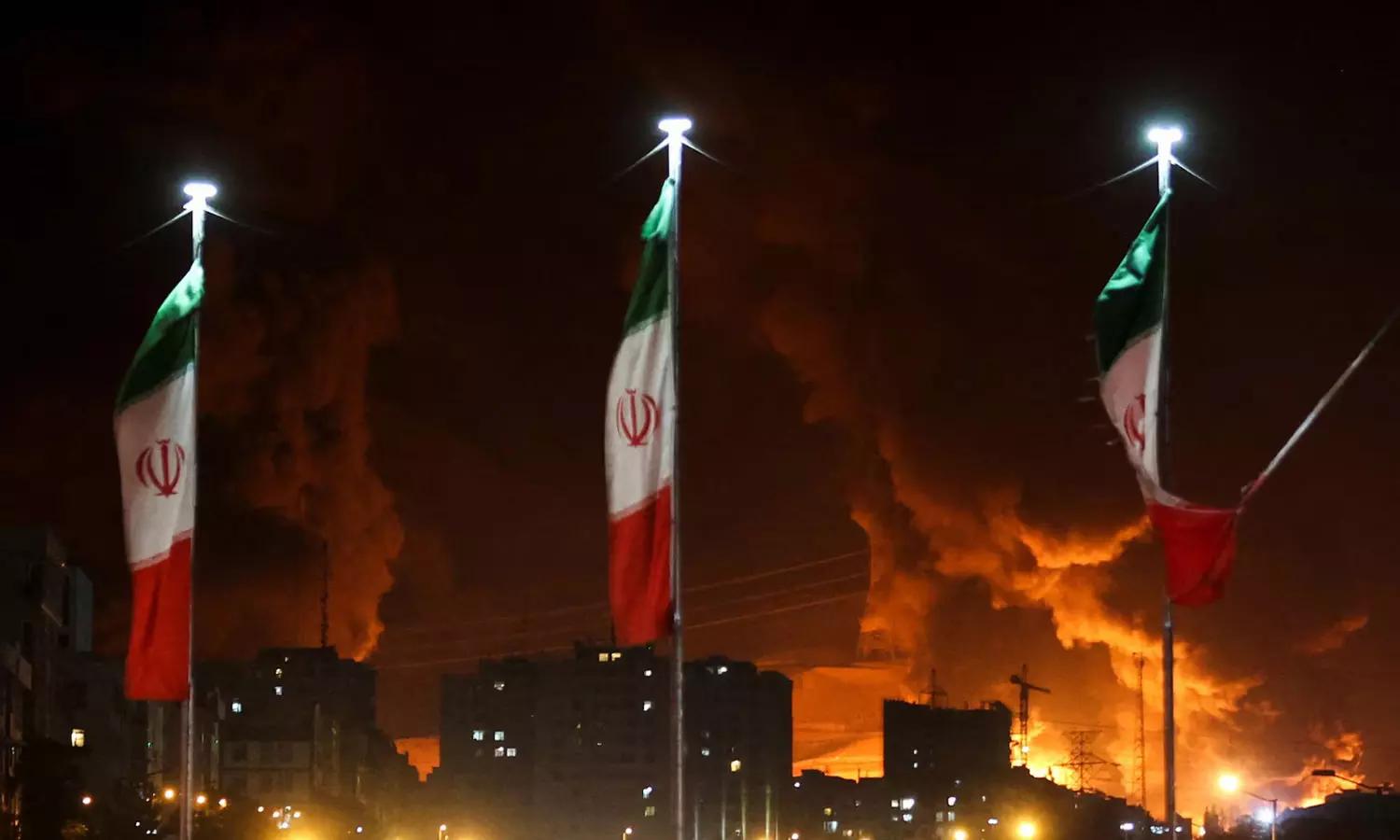
After a day marked by unusually blunt language, including a warning that “a whole civilisation will die tonight” if Iran didn’t reopen the Strait of Hormuz, Donald Trump later changed course, saying the US would go ahead with a two-week ceasefire with Iran. For now, it has pulled the situation back from the edge and reduced the risk of immediate escalation.
On Tuesday evening, with the possibility of a strike hanging in the air, Donald Trump went on Truth Social to say that he was pulling back from that path. Not long after, Iran’s foreign minister, Abbas Araghchi, indicated that an initial agreement was in place. Washington and Tehran now have a two-week window to keep the talks going and see if they can turn this pause into something more permanent. It may not be an easy path, but markets reacted with a sense of relief as oil dipped back below the $100 mark. There’s a growing feeling that the worst of the situation may have been avoided, at least for now.
Only hours before this shift, even a limited breakthrough looked unlikely. Donald Trump had used language that went as far as threatening the destruction of Iran, rhetoric that many would see as deeply irresponsible. Statements of that kind, especially repeated within days on Truth Social, stand well outside the bounds of how modern US presidents typically speak. The Iran episode and the tone set by Trump in recent days may have already changed how the US is viewed across much of the world.
Iran had earlier come up with a 10-point plan to try and end the conflict, and Donald Trump said a proposal from Tehran now looks workable enough to build talks around. Iranian state media hasn’t shared the full details of the proposal, but it says the plan includes measures to ensure ships can move safely through the Strait of Hormuz. It also points to Iran’s expectations: lifting sanctions, rebuilding damaged infrastructure, and bringing an end to the wider fighting in the region. After the ceasefire message from Trump, Iran said it would hold off on further military action and keep the Strait of Hormuz open for shipping, with access managed in coordination with its armed forces.
Iran’s Supreme National Security Council presented the agreement as a win, suggesting that Washington had ultimately gone along with its terms. On the other side, White House press secretary Karoline Leavitt described it as a success for the US, crediting Donald Trump and the American military. The conflict, now stretching into its sixth week, has taken a heavy toll — with more than 5,000 people reported dead across several countries, including over 1,600 civilians in Iran, based on figures from officials and rights groups.
In the end, it’s the sharp swings in tone from Donald Trump that stand out — from dire warnings to a sudden pullback in a matter of hours. That kind of unpredictability now hangs over the situation, making it harder to know what comes next.
Adjust Story Font
16