
The Burari Case That Stunned The Nation
After months of investigation, police concluded there was no evidence of external foul play.

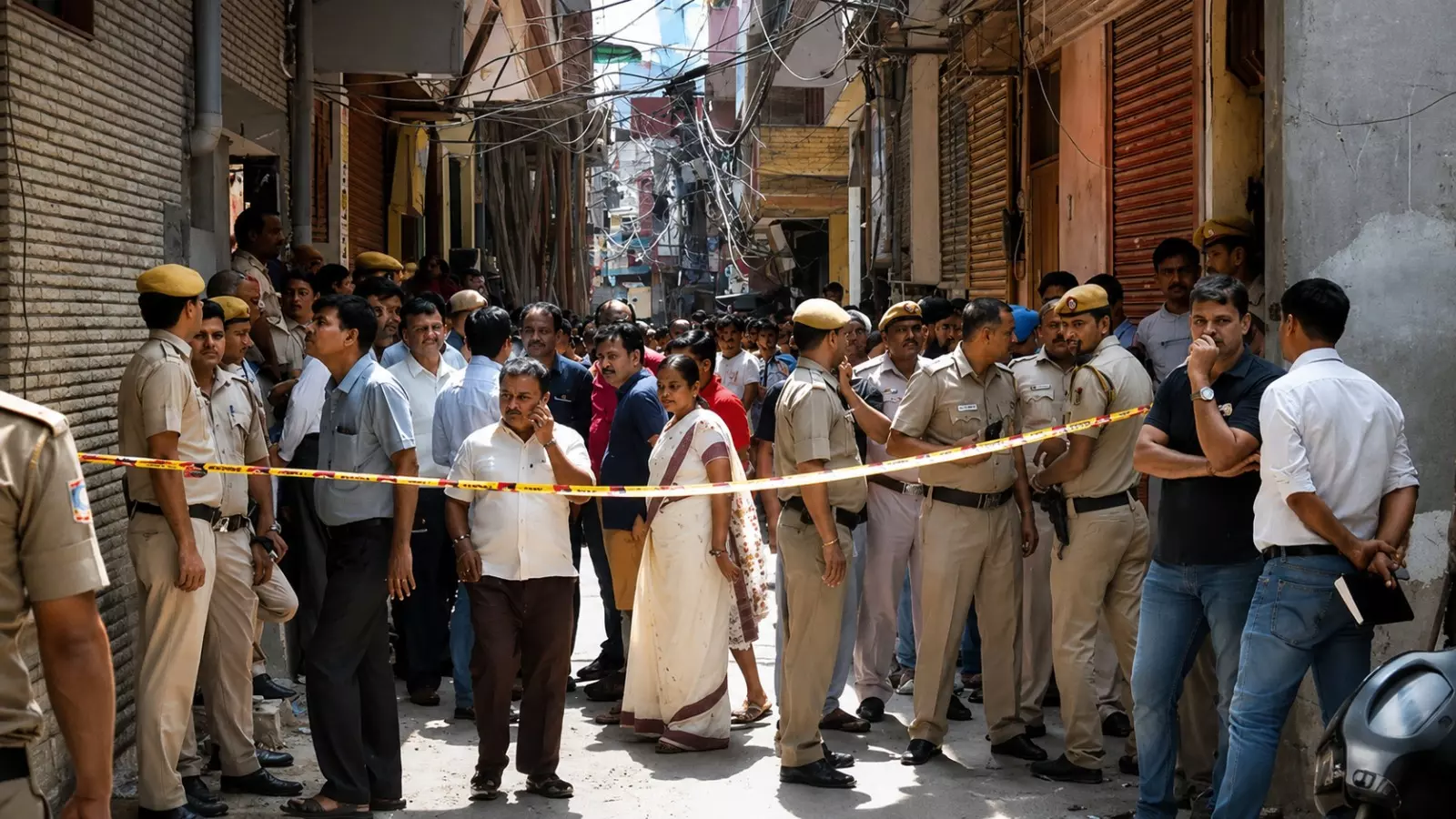
Eleven members of the same family were found dead in a single house. At first, it looked like something out of a horror movie. But the truth behind the Burari deaths may be even more disturbing.
On the morning of July 1st, 2018, residents of Burari, a quiet neighborhood in North Delhi, noticed that a local grocery shop hadn't opened. That was unusual. The family who ran it was known in the area, financially stable, well-liked, and by all accounts living a normal life. When neighbours entered the house, they discovered one of the most shocking crime scenes in Indian history.
Ten family members were hanging in the courtyard, suspended from an iron grill. Their eyes were covered, many had their mouths taped shut, and their hands were bound. In another room, the family's 77-year-old grandmother was found dead on the floor. The victims belonged to three generations of the same family. There were no signs of forced entry. No evidence of a struggle. Nothing suggested an outsider had broken in.
Almost immediately, theories flooded the news. But then investigators found something that changed the entire direction of the case.
Hidden inside the house were several handwritten diaries and registers, containing thousands of pages of notes written over many years. The entries described rituals, spiritual practices, and detailed instructions that closely resembled the positions in which the bodies were found. The writings revolved around one family member: Lalit Chundawat.
According to investigators, Lalit believed he was receiving messages from his father, who had died years earlier. Over time, those messages reportedly became a guiding force within the household. Family decisions, routines, and religious practices increasingly centered around them.
Just days before the deaths, family members were planning a wedding. They were making purchases, discussing future plans, and carrying on with everyday life. Nothing suggested they believed they were approaching the end of their lives.
After months of investigation, police concluded there was no evidence of external foul play. Forensic experts and psychologists suggested the family may have participated in a ritual based on a shared belief system. Some experts believe they expected to survive the ritual, trusting that divine intervention would save them at the last moment.
The possibility that eleven ordinary people – successful, educated, and deeply connected to one another – could slowly become trapped inside a belief system powerful enough to override reality is, for many, far more frightening than any conspiracy theory. Eight years later, the Burari deaths remain one of the most unsettling cases India has ever witnessed.
Adjust Story Font
16