
UK Detects Russian Submarine Activity In North Atlantic
The UK, alongside partner nations, tracked a Russian Akula-class nuclear-powered attack submarine, along with two specialised deep-sea submarines.

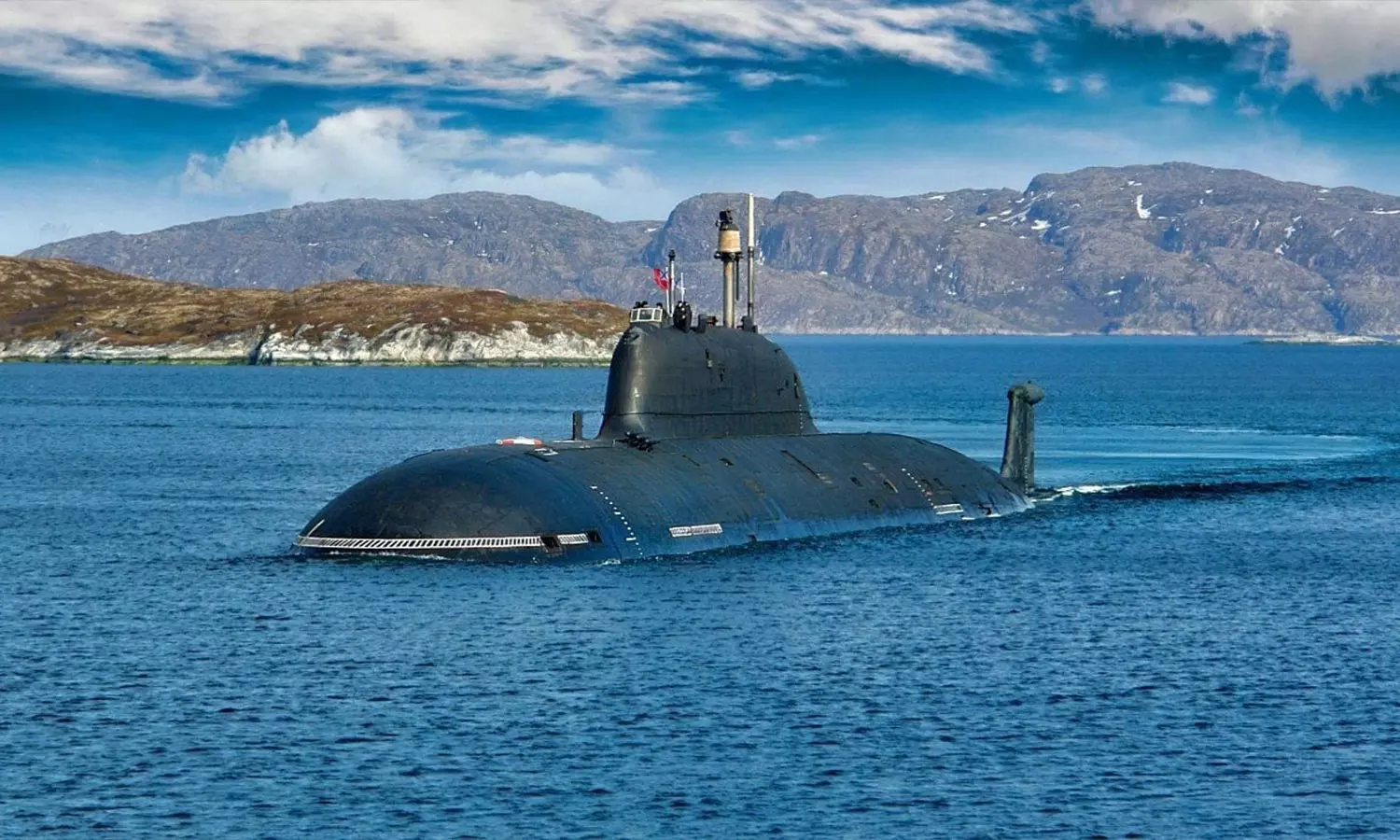
What exactly are Russian submarines doing near Britain—and why now? UK Defence Secretary John Healey said on Thursday that British forces tracked and deterred three Russian submarines operating in the region. The movements were recorded in the High North, an important maritime corridor close to major shipping lanes and undersea cables.
John Healey said British forces kept Russian movements in the North Atlantic under close watch for more than a month, amid concerns over possible monitoring of undersea pipelines and telecom cables. He also said there was no sign that any UK infrastructure in the region had been harmed.
The decision to reveal the incident was described as a way to spotlight Russian activity and send a direct warning to President Vladimir Putin. The message made clear that Britain is aware of movements near undersea cables and pipelines and that any attempt to target them would face serious consequences. The UK said Vladimir Putin’s aim was to carry out secret operations around critical systems without being detected.
The UK, alongside partner nations, tracked a Russian Akula-class nuclear-powered attack submarine, along with two specialised deep-sea submarines linked to Russia’s Main Directorate of Deep-Sea Research, known as GUGI. Little known compared to agencies like the KGB or FSB, Russia’s deep-sea unit GUGI is seen as a serious and highly secretive part of the military. Though it operates within the navy, it is believed to report directly to the defence minister and President Vladimir Putin. Based in St. Petersburg, it can also operate from Russia’s northern naval network, giving it reach into Arctic waters near key submarine bases. The unit focuses on underwater surveillance and sabotage, with only the US thought to have similar deep-sea capabilities.
The Russian embassy in London has denied the claims, but the episode has drawn fresh attention to the UK’s reliance on undersea cables and pipelines. About 60 cables connect the country globally, with key landing points along the eastern and southwestern coasts, carrying over 90% of day-to-day internet traffic.
Britain and NATO see these covert moves as more than routine surveillance, with concerns they could be laying the groundwork for future conflict. If tensions escalate, the fear is that Russia could try to interfere with the UK’s data networks, possibly using systems positioned in advance. There is also a belief that Moscow may be acting while global attention is focused on the Middle East, with Russia now seen as the central security challenge facing the UK. For the UK and its partner nations, the incident underscores the growing importance of monitoring undersea activity. In the context of the war in Ukraine, activity involving Russia is likely to remain under close observation across Europe.
Adjust Story Font
16